The boardroom lights gleamed off dozens of tiny LEGO models lining the shelves, nostalgic reminders of better days. It was late 2003 in Billund, Denmark, and a heaviness hung in the air thicker than a Danish winter fog. Kjeld Kirk Kristiansen, third-generation owner-CEO, sat at the head of the table with his hands clasped, knuckles white. Around him, a handful of executives traded anxious glances as a 34-year-old strategist clicked to the next slide. Jørgen Vig Knudstorp’s voice was calm but grave. “We are on a burning platform, losing money with negative cash flow and a real risk of debt default which could lead to a breakup of the company,” he said, matter-of-fact in tone but urgent in meaning. A stunned silence followed. One executive stared at the financial forecast projected on the wall – a sea of red ink. Another absentmindedly fiddled with a LEGO brick in his hand, as if wishing the solution to their crisis could snap into place as easily as two bricks.
Knudstorp, head of Strategic Development, had spent months analyzing the company’s woes, and the findings were worse than anyone imagined. Unsold inventory from the prior holiday season was clogging up retailers’ warehouses – in some markets, nearly 40% of LEGO stock sat unsold. The U.S. division was especially dire: major toy chains had piles of unsold Harry Potter and Star Wars tie-in sets gathering dust after lukewarm sales. LEGO’s iconic plastic bricks – once considered a license to print money – were now a potential albatross. Kristiansen cleared his throat and spoke softly: “How long… how long can we sustain this?” The answer, evident to all, was not long. If the upcoming Christmas season didn’t miraculously turn things around, LEGO would run out of cash well before the next year was up. The family-owned toymaker, an institution in Denmark, was staring at its mortality.
Across the table, the CFO shuffled papers nervously. For years, LEGO had chased growth on the assumption that its brand was invincible. They’d expanded product lines, invested in movies, video games, even opened flashy theme parks. Now the numbers told a harrowing story of overreach. Kristiansen, normally an unflappable presence, looked visibly pained. This was more than a bad year; it was an existential crisis. “If we continue like this,” Knudstorp warned, “in a few years there won’t be a LEGO.” The word “bankruptcy” hung unspoken, but everyone felt its specter in the room.
Finally, breaking the silence, Kristiansen spoke in a resolute tone, “Alright. Let’s talk options.” The discussion that followed was tense and candid. Every assumption about the business was now on the table. Do we sell off assets? Cut jobs? Pull back from certain markets? As they debated, a sense of urgency, and oddly unity, emerged. LEGO had to choose: transform or die. There was no third option. In that moment, the normally family-spirited company took on the atmosphere of a battle room. They would have to dismantle parts of this beloved business and rebuild it, piece by piece, if it was to survive. As one board member put it, “We need to do a lot, fast, or we won’t be here in a year.” The meeting ended with somber nods and a mandate to craft a radical turnaround plan. The bricks were falling apart, and only equally radical action could put LEGO back together again.
Thanks for reading! Subscribe for free to receive new posts and support my work.
Act I - A Legacy in Peril
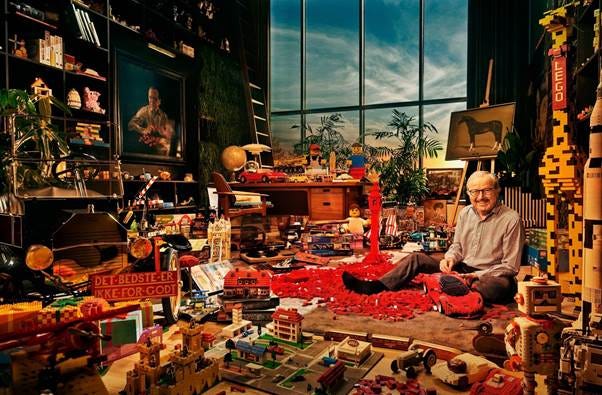
Kjeld Kirk Kristiansen, grandson of LEGO founder Ole Kirk Kristiansen, surrounded by his family history. A photo by Jes Larsen.
To understand how LEGO landed in such peril by 2003, one must rewind to the 1990s, an era that should have been the toymaker’s golden age. The LEGO Group had been founded in 1932 by Ole Kirk Kristiansen and built up over decades by the Kristiansen family on a simple premise: high-quality, creative toys that encourage kids to “play well” (the Danish phrase “Leg Godt” gave LEGO its name). By the 1990s, LEGO was not just a toy company; it was a global institution synonymous with creativity and childhood. The plastic brick was declared “Toy of the Century” and enjoyed near-monopoly status in its niche. Yet, ironically, it was around this time that cracks began to show in the business model.
The late 90s brought rapid shifts in children’s preferences and fierce new competition. Kids were gravitating to video games and electronic gadgets at ever-younger ages. LEGO’s basic building sets seemed, to some, quaint or old-fashioned next to the flashy tech of PlayStations and Game Boys. What’s more, LEGO’s last patents on the brick design had expired by 1988, opening the door for clone brands to nibble at its market with cheaper look-alike bricks. Internally, LEGO’s leadership grew concerned that their timeless brick wasn’t keeping pace with the times. In 1998, for the first time in its history, LEGO posted a loss (about $48 million). This was a deafening wake-up call: after nearly 66 years of profits, something had fundamentally changed.
Enter a new strategy and a new leader. In 1998, owner Kjeld Kirk Kristiansen (Ole’s grandson) decided fresh thinking was needed and hired a so-called “turnaround expert,” Paul Plougmann, as CEO. Plougmann’s mandate was to kickstart growth and return LEGO to relevance for the new generation. And kickstart he did, perhaps a bit too zealously. Believing the core brick was becoming obsolete, Plougmann and his team embarked on an expansion binge. Designers were challenged to come up with whole new play experiences “beyond the brick”. The company launched a dizzying array of new products and ventures: robotics kits, tech-infused bricks, action figures, younger-kid lines, girls’ jewelry-like craft sets, videogames, virtual worlds, even an ill-fated lifestyle clothing line and TV shows. No idea was off-limits if it might lure the digital generation back to LEGO. The product portfolio tripled in just a few years. By 1999, LEGO was churning out hundreds of new sets annually, straining its design and manufacturing teams to keep up.
At first, experimentation seemed like the right move. After all, innovation is the lifeblood of progress (and in business, you’re either innovating or falling behind). Indeed, there were some early wins. In 1999, LEGO took a bold step by partnering with Lucasfilm to produce Star Wars-themed LEGO sets, its first ever line of licensed toys. Many inside LEGO were skeptical (would parents buy violent space-war toys from a wholesome brand like LEGO?), but the bet paid off spectacularly. LEGO Star Wars kits flew off the shelves, exceeding sales forecasts by 500%. It kicked off a lucrative new revenue stream in licensed IP-based toys. Emboldened, LEGO doubled down on licenses and flashy new themes. By 2002, the company had also inked deals for Harry Potter sets and launched BIONICLE, an original line of techno-fantasy action figures that became a hit in its own right. On the surface, LEGO appeared to be growing: between 1999 and 2002, sales actually ticked up about 17%. But this growth was a mirage: it came at the cost of rising complexity and eroding profitability. LEGO was “plumping up its top line, but its bottom line had grown anorexic,” as one analyst later observed.
Behind the scenes, the company was losing control of its operations. The rush of new product lines and ventures led to ballooning costs at every level: R&D, manufacturing, distribution, marketing, you name it. Yet management didn’t have a clear handle on which products were actually making money. Astonishingly, in the early 2000s LEGO lacked basic product profitability analysis. They tracked sales and profits by country, but not by product line. In effect, they were flying blind financially. A revealing anecdote came from Mark Stafford, a passionate LEGO fan-turned-designer who joined the company during this era. He recalled that LEGO had “no idea how much it cost to manufacture the majority of their bricks [and] no idea how much certain sets made.” In one shocking case, sets containing electric micro-motors and fiber-optic lights cost more to make than they were sold for, meaning each sale actually lost money, and no one realized it at the time. As Stafford put it, “every one of these sets was a massive loss leader and no one actually knew.”¹
LEGO’s creative ambitions were running far ahead of its business fundamentals. With Plougmann at the helm, the company also undertook a massive overhaul of its design workforce. Management pushed out many veteran toy designers – the old hands who had created beloved classic sets in the ’70s, ’80s, and ’90s – and replaced them with about 30 hotshot “innovators” freshly recruited from Europe’s top design schools. These young hires were brimming with fresh ideas, which sounded great in theory. But there was a catch: though talented, they knew little about toy design and even less about the LEGO building system. They approached LEGO as a design exercise rather than a play system. The result? An explosion of never-before-seen parts and colors in the product range, many of them unique to one set and incompatible with anything else. Managers had to expand infrastructure to handle the diversity – new mold machines, more inventory locations, more supplier contracts – all of it expensive. As one insider quipped later, “We were making everything… and making money on almost nothing.”
A parade of flop products ensued, emblematic of this era. LEGO Znap (a K’Nex-like strut system), Galidor (an action-figure line tied to a cheesy sci-fi TV show), Scala (a dolls-and-jewelry line for girls), Clikits (craft jewelry kits for girls), these were attempts to break into new toy categories, but they mostly fizzled. Galidor, in particular, became a legend at LEGO for how badly it failed. LEGO ended up practically giving Galidor toys away (and still couldn’t clear them). To this day, “Galidor” is spoken of inside the company with a shudder, a cautionary tale of innovation gone wrong. Meanwhile, some of LEGO’s core strengths were neglected. The preschool DUPLO line (those oversized bricks for toddlers) had been rebranded and de-emphasized to chase trendier ventures. The once-popular LEGO City theme (rooted in simple town and emergency services sets) was put on the back burner in favor of edgier story-driven themes. In short, LEGO was suffering what one could call “innovation overload”, an unfocused surge of new ideas and projects without a coherent strategy or understanding of costs.
By 2001–2002, the cracks turned into chasms. The global toy industry was undergoing a shakeup, traditional toys were fighting for kids’ attention against video games and the nascent internet. At the same time, big retailers like Walmart and Toys “R” Us were pressuring suppliers for better terms, and upstart toy makers were copying LEGO’s playbook (Mega Bloks started selling brick sets that looked uncomfortably similar to LEGO’s, but cheaper). LEGO’s response – trying to do everything – was backfiring. Internal morale was also fraying; long-time LEGO employees struggled to recognize the company they loved. One former designer said it felt like “we’d lost the plot, we were no longer sure what LEGO stood for.” Still, many inside the company remained in denial. During the growth spurt of the late ’90s, they had become accustomed to the idea that any stumble was temporary. Even as losses mounted, there was a hope that “the next big theme” or the next movie tie-in would miraculously restore the company’s fortunes. This was, after all, LEGO: a storied brand that had weathered wars, oil crises, and countless fads. Surely, they thought, this storm would pass too (a classic case of organizational inertia, where success breeds a dangerous kind of complacency).
The reality, however, could not be ignored for long. By early 2003, LEGO was careening toward a financial cliff. The company’s growth-by-expansion strategy had flopped spectacularly. Sales in 2003 plunged by 26% (from ~$1.4 billion in 2002 down to just over $1.0 billion) and LEGO racked up a loss of DKK 935 million (about $150 million) that year. Management ruefully acknowledged that their expensive forays outside the core had not yielded results, in fact, some new products were cannibalizing sales of staple LEGO sets. One executive described the situation vividly: “We were pregnant with many initiatives and their costs, and the market turned against us”.
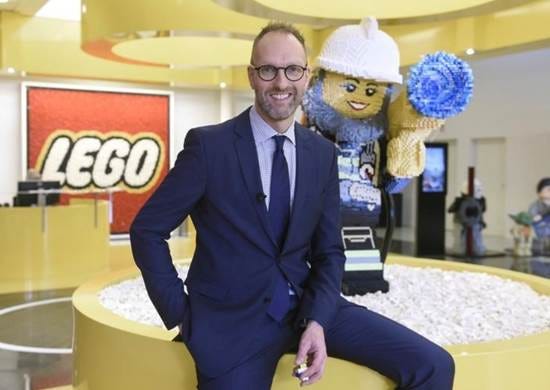
In came Jørgen Vig Knudstorp. At just 35, he became LEGO's first non-family CEO in its 72-year history
The breaking point came at the end of 2003. LEGO’s owner and CEO, Kjeld Kirk Kristiansen, finally had to face the music. In December 2003, with the company’s survival in question, Kristiansen made a drastic decision: he fired CEO Paul Plougmann along with four other top executives on the 14-person leadership team. Plougmann’s grand experiment had driven LEGO to the brink; now he was out. Kristiansen, the patriarch, stepped back in as interim CEO. He also turned to the soft-spoken strategist who had delivered the dire diagnosis: Jørgen Vig Knudstorp. If LEGO were a sinking ship, Knudstorp had just sounded the alarm about the gaping holes below the waterline. Impressed by Jørgen’s clear-eyed assessment, Kristiansen tasked him with crafting a turnaround plan. At just 35 years old, Knudstorp was about to be handed the wheel of a $1 billion toy empire in free-fall. It was a make-or-break moment. As 2004 dawned, LEGO’s losses were still widening, projections showed the net loss could double to nearly $300 million in 2004 if nothing changed. The company’s debt had swollen to over $800 million by late 2004, and a full-blown default loomed on the horizon. In Knudstorp’s analysis, an astonishing 94% of LEGO’s products did not make any money; essentially only the Star Wars and Bionicle lines were profitable in that period. LEGO was bleeding cash at an alarming rate, and the banks were at the door, creditors grew nervous as debt covenants teetered on violation. For a family-owned firm that had prided itself on independence, the prospect of either being forced to sell or declare bankruptcy was a nightmarish scenario.
Thus, by mid-2004, LEGO found itself in the unthinkable position of fighting for survival. The Sunday Times would later dub it “the biggest toy industry crisis in memory.” Internally, folks at LEGO referred to 2003–04 as “the black years.” But these dark days were the crucible in which LEGO’s rebirth was forged. It was time to strip the company down to its essence, to rediscover what made LEGO great and rebuild the business—brick by brick. The turnaround journey was about to begin in earnest, led by an unlikely new CEO who combined McKinsey-trained analytical rigor with a lifelong love for LEGO’s creative play.
(As one executive later quipped, “We had been running on innovation autopilot, churning out novelties without checking our instruments. We finally had to turn autopilot off and actually fly the plane.” The course correction would be painful, but ultimately lifesaving.)
Act II - Chaos Before the Comeback
In the summer of 2004, Jørgen Vig Knudstorp moved into the CEO’s office, inheriting a company at war with itself. The contrast was stark: on one hand, LEGO still had one of the most powerful brands and beloved products in the world; on the other, its finances were in tatters and its organization in disarray. Knudstorp, a bespectacled former McKinsey consultant with a PhD in economics, was an unconventional choice to lead LEGO. He wasn’t a Kristiansen family member (making him the first non-family CEO) and at 35 he was young for such a high-stakes role. Many in the Danish business community were astonished: “How can they put a rookie in charge when they are struggling to survive?” was a common refrain. But those who knew Knudstorp had faith. He was local (born not far from LEGO’s Billund HQ) and had earned Kjeld Kristiansen’s trust through his frank analyses and deep understanding of LEGO’s culture. As an “insider-outsider”, inside the company for only a few years, but with an outsider’s perspective, Knudstorp combined respect for LEGO’s heritage with a willingness to question sacred cows. The board was desperate; a bold gamble on fresh leadership was preferable to certain doom.
Knudstorp’s first order of business: figure out exactly what was wrong. His McKinsey training kicked in: facts, facts, and more facts. He spent his initial months as CEO intensively diagnosing every aspect of LEGO’s operations, effectively conducting an autopsy of the near-death experience while the patient was still on the table. He dove into financial data (what little existed in usable form), visited factories, spoke with frontline employees, and met with major retailers to hear their grievances. This “listen and learn” tour confirmed what his June 2003 report had signaled: LEGO was fundamentally overextended and under-disciplined. As he later summarized, “We had too much capacity, too much stock... It was sitting in the wrong countries. The retailers were very unhappy”. Indeed, LEGO had huge piles of unsold inventory in some markets and shortages in others, a symptom of woeful supply chain planning. The company’s internal structure was also a mess. Silos abounded: a dozen senior VPs each ran their fiefdom (six regional market units, plus heads of product divisions, retail, etc.), and they didn’t collaborate, they operated in silos. The left hand didn’t know what the right was doing. In a telling example, one team might be feverishly developing a new play theme while another was independently cutting manufacturing costs that accidentally made key components of that new product line unviable. The organization, shaped by decades of success and growth, was simply not equipped to handle a downturn. It was built for expansion and novelty, not efficiency and crisis management.
Knudstorp huddled regularly with LEGO’s new CFO, Jesper Øvesen, a veteran finance chief poached from Danske Bank, who joined in late 2003 to help right the ship. Øvesen was shocked by what he found in LEGO’s accounting practices. The company had no product-by-product profit analysis; there was just a top-level P&L and some regional breakdowns. In other words, LEGO didn’t even know which toys were making or losing money! “It was unbelievable,” Øvesen remarked, a company famed for meticulous design had been utterly sloppy in financial design. Together, Knudstorp and Øvesen came to a stark conclusion: trying to carry on business-as-usual (even a slimmed version) could sink the company. They needed emergency action, not a polished long-term strategy, but a short-term rescue plan to stop the bleeding and buy time for a fuller turnaround. They called this plan “Shared Vision, Direction for LEGO” and won board approval for it by essentially reading LEGO’s leaders the riot act. Knudstorp told the board bluntly that if they were pure financial investors, they might well advise selling the company at this point. But since the Kristiansen family was intent on keeping LEGO, they had to accept a new approach: prioritize long-term health over short-term gains and be willing to slaughter some “sacred cows” (beloved projects, legacy traditions, etc.). There would be no quick fix; it was going to be a multi-year recovery or no recovery at all.
The “Shared Vision” turnaround plan had three phases, encapsulated as “Manage for Cash” (2004–2005), “Manage for Value” (2006–2008), and “Manage for Growth” (2009+). In the first phase, the clear and singular goal was survival. That meant aggressively cutting costs, freeing up cash, and focusing only on the core business that could keep the company afloat. Or as Knudstorp put it to employees in late 2004: “Right now, our mission is to survive. To cut costs, sell businesses, and restore our competitiveness.” It was a sobering message, especially at a company long used to viewing itself as a benevolent toymaker rather than a hard-nosed business. But employees, many of whom had sensed the chaos of recent years, largely understood that drastic measures were necessary. The mood shifted from denial to determination: How do we save LEGO?
Act III - Radical Surgery and a Return to Core
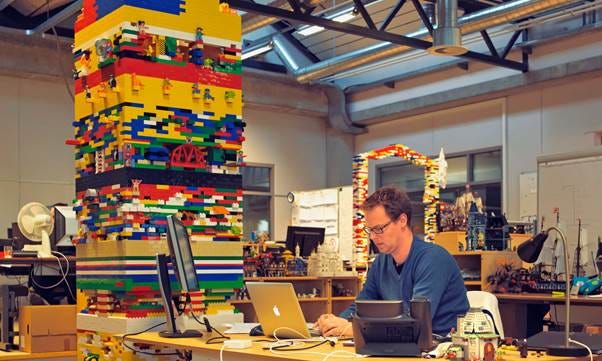
Brick by brick: inside the Lego offices in Billund, Denmark. Photograph: Redux/Eyevine
Knudstorp and Øvesen moved quickly to implement what amounted to corporate triage. Nothing was off-limits if it didn’t serve LEGO’s core value proposition of creative play with the brick. They identified key areas to address immediately:
Slash Costs, Fast: LEGO’s expense base had grown bloated during its expansion spree. The company had added hundreds of new designers, opened offices around the world, and ventured into high-overhead businesses like theme parks and retail stores. Knudstorp instituted a hiring freeze and then a wave of layoffs. In early 2004, about 1,000 jobs were cut, roughly 10% of the workforce, to match the new, leaner reality. Furthermore, many manufacturing and support processes were outsourced, allowing LEGO to reduce headcount by another 3,500 (these were primarily factory and distribution roles that went to third-party firms). Together, these moves shrank LEGO’s global workforce by almost a third, a painful but necessary contraction. Knudstorp hated laying off people – LEGO was known for treating employees like family – but as he said, “My job was how to stop the bleeding”. Every part of the business had to justify itself under the cold light of financial reality. Even the vaunted LEGO factory in Billund, which had been producing bricks since the 1960s, was partly outsourced (production was shifted to cheaper locations and subcontractors wherever possible). “We had to fundamentally reset our cost structure to the new reality of selling 40% less than two years prior,” Knudstorp explained. It was truly a “survival mode” operation – cut back to core and eliminate any excess fat.
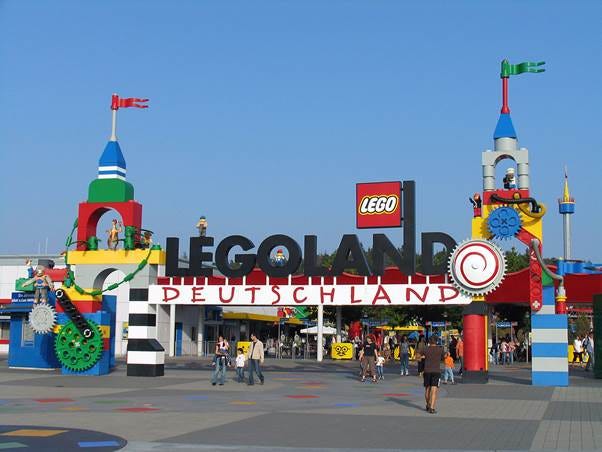
Legoland
Refocus on the Core Product – the Brick: Perhaps the most consequential decision was to halt LEGO’s diversification strategy in its tracks. Knudstorp drew a big red circle around LEGO’s core business – the interlocking brick system and the play experiences directly tied to it – and declared that nothing outside this circle was safe. As he later reflected, he determined four core priorities for LEGO: the LEGO brand, the LEGO brick, the unique LEGO “system of play,” and the loyal LEGO fan community. If an activity didn’t strengthen one of those, it was going to be axed or sold. This meant some dramatic exits: The company shut down its in-house video game studio (which had been burning cash with only mediocre game titles to show). It sold off the LEGOLAND theme parks – wonderful brand showcases but terrible businesses for a toy manufacturer to run. In 2005, LEGO sold its four theme parks to Merlin Entertainments/Blackstone for €375 million, retaining only a 30% stake to have some say in brand usage. Owning and operating amusement parks had been a sentimental venture (who wouldn’t love a park full of giant LEGO sculptures?), but it was tying up capital and management attention with very poor returns. “LEGO has learned that it cannot do everything,” Knudstorp remarked, after divesting these side businesses. Similarly, LEGO slowed its retail store expansion, which had barely begun but was poised to demand heavy investment – this was toned down to avoid angering big retail partners and to conserve cash.
Simplify the Product Portfolio (Drastically): Perhaps the toughest pill for LEGO’s creative culture was Knudstorp’s mandate to radically simplify the product offerings. Over the years, LEGO’s designers had created thousands of different brick shapes, colors, and decorations – many highly specialized. This chaos of components was a hidden cancer, driving up complexity and cost. Knudstorp’s team, led by supply chain head Bali Padda, did a thorough audit of all LEGO pieces in production. They discovered that 90% of the 12,000+ active pieces were used in only a single set(!). Worse, they found multiple pieces that were essentially duplicates (slight variations created by different designers not realizing a similar part already existed). Each piece carried costs – the design and mold tooling could cost tens of thousands of dollars per element, plus inventory, handling, etc. The conclusion was clear: LEGO needed to standardize and cut down its part library dramatically. Knudstorp set an initial target to halve the number of active pieces. Designers balked – to them, cutting pieces felt like cutting colors from an artist’s palette. Padda recalls heated debates where product developers argued that limiting parts would “stifle creativity.” But the hard truth was that unlimited parts had nearly killed the company. In late 2004, Knudstorp made the call: he ordered the part count slashed from ~12,900 down to about 6,500. This effectively meant mothballing about half of LEGO’s molds – taking them out of circulation – and forbidding designers from creating wacky new pieces unless absolutely necessary. One day in September 2005, as resistance to these changes lingered, Knudstorp took an extreme but telling action: he fired five of his seven senior manufacturing executives on the spot, because they refused to go along with the simplification push. These were loyal long-time employees, not incompetent ones – but they didn’t share Jørgen’s vision of how to get LEGO healthy again, so he let them go. “I cried almost as much as they did,” Knudstorp later admitted, noting he knew these men and their families personally. It was a gut-wrenching decision, but it underscored a core principle: going forward, LEGO would be run as a business, not as an emotional family hobby. Tough calls had to be made in service of the greater good. (In a poignant aside, Knudstorp sent those departing execs off with generous severances and heartfelt handshakes – a gesture of respect even as he showed them the door.)
Instill Financial Discipline and Accountability: Alongside cost cuts and portfolio pruning, Knudstorp and CFO Øvesen moved to inject a culture of financial accountability into LEGO’s processes, something that had been sorely missing. Øvesen implemented a new system called Consumer Product Profitability tracking, which for the first time measured the profit margin of each LEGO product line and even individual set*. They set a clear financial target that every manager could grasp: any new product had to target at least a 13.5% return on sales (operating profit margin) or it wouldn’t be approved. This 13.5% ROS benchmark was chosen to ensure LEGO returned to healthy profitability; it became a near-term rallying goal for the team. Knudstorp essentially told his designers and marketers: “It’s not enough to have a cool idea, it must make money.” To drive this point home, the company also revamped incentives, introducing performance-based pay and bonuses tied to profit goals rather than just sales or nebulous “innovation” goals. For a workforce that had long seen itself as artists and inventors, this shift to a metrics-driven, ROI-conscious mindset was jarring. One designer joked, “It felt like suddenly the accountants had entered the playroom.” But without this discipline, Knudstorp knew, LEGO would relapse into its old ways the moment the crisis passed. He was determined to build systems to prevent that, guardrails to keep LEGO from veering off the road in the future. Every product now had to pass a rigorous business-case review. If a designer wanted to introduce a new part, they’d better have a damn good reason (and likely would have to retire two older parts to justify it). The era of unfettered creativity was over; henceforth it would be creativity within constraints.
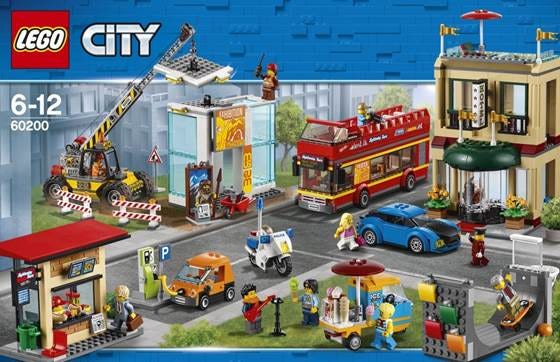
One of the LEGO City best sellers.
Rebuild Key Franchises and Listen to Customers: While cutting back was crucial, Knudstorp also knew LEGO couldn’t cost-cut its way to growth. The company needed to revive revenue by doubling down on products that truly delighted customers. Part of the turnaround playbook was to go back to basics with LEGO’s product assortment. In 2005, the team re-launched LEGO City, bringing back classic sets of firefighters, police stations, and hospitals that older fans remembered and kids still loved (these bread-and-butter sets had been overshadowed during the crazed innovation years). They also returned the DUPLO line to its roots, instead of trying to make DUPLO something it wasn’t (earlier management had awkwardly folded DUPLO into a theme called “Explore” with non-brick toys), Knudstorp re-established DUPLO purely as the LEGO-for-toddlers brand, with simple chunky bricks and basic playsets. It was unprofitable at the moment, but strategically vital: hooking kids on LEGO at ages 2–5 would feed the core business long-term. Likewise, LEGO upgraded its Mindstorms robotics kit (one of the genuinely successful innovations of the late ’90s) and released a new version that incorporated feedback from an active community of adult hobbyists. And notably, some experiments were cleanly shut down: the girls’ make-and-wear jewelry line Clikits, judged “too far away from the core”, was discontinued in 2005 despite its niche following. These product moves signaled LEGO was returning to what it knew and what customers had historically wanted from it. In fact, Knudstorp made “Closer to the customer” a mantra of the turnaround. The company started organizing focus groups of kids and parents, and even reached out to AFOLs (Adult Fans of LEGO) for input on new product development. This was a marked change, previously, designers often worked on intuition or sheer creative conviction. Now, there was a humbler approach: test ideas, get feedback, iterate. As Knudstorp gave the green light to some new products, he insisted on hearing how they tested with real users. One major initiative born from this period of listening was the concept of LEGO Friends (a line for girls launched later in 2012), it came only after extensive ethnographic research with young girls (and was a huge success, precisely because it was thoughtfully aligned with what the target audience wanted, unlike the flop Scala/Clikits of earlier years).
In these first two years (2004–2005) of Knudstorp’s tenure, LEGO essentially underwent emergency surgery. The transformation was aggressive and, at times, agonizing for the organization. Entire departments vanished, cherished projects were canned, and hundreds of employees, many who felt like family, parted ways. The company shrank to a more manageable size and scope, focusing on its profitable core of brick-based toys. “Focus” became the watchword. Knudstorp articulated a vision of LEGO as the best at what it does (creative construction play), not the biggest toy company that does everything. In meetings, he would draw a line between “good” complexity and “bad” complexity: good complexity was variety that consumers are willing to pay for; bad complexity was internal bloat that consumers don’t see value in. LEGO had been full of the latter, and he was determined to excise it.
Crucially, Knudstorp managed this overhaul with a sense of respect and humility. He didn’t come in blaming employees or predecessors with hubris; instead, he openly admitted that mistakes had been made and that he himself had to learn. He sought advice from former executives, listened to toy retailers’ complaints, and even met one-on-one with some of LEGO’s most diehard adult fans to understand where the passion in the brand truly lay. This humility won him support internally. Employees describe how Jørgen would stand in the cafeteria line with factory workers, chatting and explaining why certain cuts were needed. He was honest that some decisions (like selling the theme parks) were hard for the family to swallow, but necessary. Step by step, brick by brick, LEGO was being reassembled on firmer ground.
By the end of 2005, the immediate crisis had been averted. LEGO was no longer hemorrhaging cash on a daily basis. The “survival” phase of the turnaround was essentially complete, the patient was out of the ICU. Now would begin the next phase: restoring the company to robust health and eventually to profitable growth. As Knudstorp would later say, “First you survive, then you recover, then you grow”, and LEGO was moving into that middle stage. But not without scars and lessons learned the hard way.
(True to form, LEGO employees even jokingly coined a term during this time: “BURLAP Syndrome”, short for “Business Up, Recreation, Lego Assets Protected”, signifying the mentality of tightening belts and focusing only on what kept the business healthy. Gallows humor aside, it represented a new discipline that permeated the company.)
Act IV - From Pain to Profits
Early 2004 through 2006 were, in many ways, the darkest hours of LEGO’s turnaround, the period when the tough changes had been made but the benefits had yet to fully materialize. The financial results during this transition reflected the initial pain. LEGO’s net loss deepened in 2004, hitting a record, roughly £217 million in red ink (about $300+ million), the biggest loss in the company’s history. In effect, LEGO lost more than 40% of its sales and absolutely cratered its profitability in the span of just two years. These losses also included substantial write-downs: for example, writing off huge inventories of failed products (warehouses full of unsold Galidor figures and other flops had to be cleared out at fire-sale prices or trashed). The theme parks were sold at a loss relative to their book value, incurring one-time charges. Layoff costs and severance packages weighed on the 2004 books as well. All told, by summer 2004 LEGO’s equity had been eroded so badly that Kjeld Kirk Kristiansen had to inject about 800 million DKK of family money to keep the company solvent. It was a humbling moment: the storied toy empire needed a bailout from its owners to avoid defaulting on loans. Kristiansen later described 2004 as “my most expensive year ever.”
Yet, by 2005, the bleeding had been stanched and the vital signs started improving. LEGO cut its losses dramatically, inching closer to break-even. The decisive actions on costs and focus began to show results. Operating expenses plunged after the layoffs and asset sales. Simplifying the product line allowed LEGO to pare down its inventory and working capital, in fact, even during the 2003–04 crisis, the company managed to generate some positive cash flow by liquidating inventory and collecting receivables aggressively. This helped buy time. On the revenue side, sales stabilized in 2005 after the free-fall of previous years. The core product lines, now unburdened by so many distractions, actually started to get more attention and marketing support, yielding modest growth. Internally, there was a sense of cautious optimism by the end of 2005: we might just have pulled back from the brink.
Then came the true upswing. In 2006, LEGO returned to profitability, a slim profit, but a profit nonetheless. That year marked the beginning of what would become a stunning financial run. From 2006 onward, LEGO would notch year after year of growth. The turnaround strategy gained momentum like a well-built flywheel. Freed from the drag of unprofitable lines, the core business blossomed. Children were snapping up LEGO City sets and Star Wars kits; parents noticed improved product quality and selection (fewer weird experiments, more of the themes they and their kids loved). Retailers, who had been wary, saw that LEGO was dependable again, the sell-through rates of the streamlined product range were strong. By focusing on fewer products, LEGO managed to improve its supply chain efficiency, the right products were in stock at the right places, and obsolete inventory was minimal. The impact on profits was dramatic. As the late 2000s unfolded, LEGO became a cash machine.
Some headline numbers tell the story: Between 2004 and 2010, LEGO’s revenues grew 165% (during a period when the global toy market was largely flat). That alone is impressive, but even more striking is how profitable LEGO became. By 2010, LEGO’s return on invested capital (ROIC) soared above 160%, an almost unheard-of level for a manufacturing company, indicating that the turnaround had made LEGO extremely efficient at generating profit from its assets. A key profitability metric, return on sales, climbed above 30% by the early 2010s. (For context, in 2003 LEGO had a negative return on sales, and even well-run peers in the toy industry seldom topped 10–15%.) In 2007, as the world entered a financial crisis, LEGO did something counterintuitive: it grew while most companies struggled. In fact, from 2007 to 2011, the span of the Great Recession, LEGO’s pre-tax profits quadrupled. In one analysis, between 2008 and 2010 LEGO’s profit growth rate even outpaced tech darling Apple’s. Everything was, to quote The LEGO Movie, “awesome.”
By 2013, LEGO had achieved a complete 180° from its 2003 nadir. Revenues hit around $4.5 billion with profits around $1.5 billion. The company had essentially gone from losing money to posting a solid 33% profit margin in the span of a decade. That year, LEGO surged past Hasbro to become the world’s #2 toy maker, second only to Mattel in revenue. (Not long after, LEGO would even leapfrog Mattel to claim the #1 spot, thanks to consistent growth and Mattel’s stumbles. By some measures in 2014–2015, LEGO was the biggest toy company in the world.) Equally important, LEGO’s financial stability was restored: the company paid off its debt and amassed a healthy cash reserve. The Kristiansen family’s infusion had been repaid by the business’s roaring cash flows. Inventory turns (how quickly product sold) improved drastically, reflecting a far more efficient operation. Sales per employee doubled compared to the pre-turnaround level, indicating how much leaner and more productive the workforce had become.
The external world took notice of LEGO’s resurgence. Business magazines and analysts began heralding “the LEGO turnaround” as one of the great corporate comeback stories of the decade. Harvard Business Review ran an article in 2008 praising LEGO’s new structured approach to innovation. In 2010, an HBS case study was published for classrooms, chronicling LEGO’s near-death and rebirth so future leaders could draw lessons. The media, once skeptical that kids would still play with low-tech bricks in the digital age, did a double-take as LEGO sets continued flying off shelves. Even during the late-2000s recession, when toy sales globally were stagnant or shrinking, LEGO grew by double digits. It turned out that in tough times, parents appreciated a toy that was wholesome, reusable, and powered by imagination rather than batteries, and many adults, nostalgic for simpler play, were themselves buying LEGO sets (a phenomenon LEGO cleverly encouraged by catering to adult builders with advanced sets).
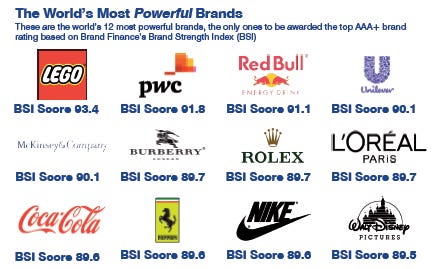
In 2015 LEGO earned the title of “World’s Most Powerful Brand” across all industries
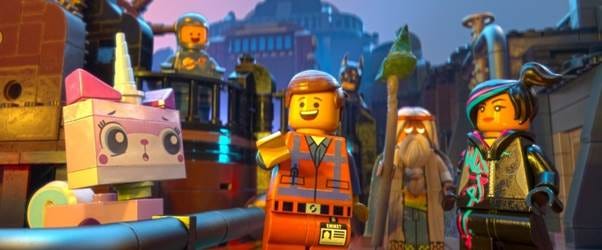
By 2012, the LEGO brand had ascended to new heights. That year, Brand Finance (a brand valuation consultancy) declared LEGO to be the “most valuable toy brand” on the planet. A few years later, in 2015, LEGO earned the title of “World’s Most Powerful Brand” across all industries, edging out the likes of Apple, Nike, and Ferrari. The criteria were a mix of customer loyalty, brand affinity, and financial performance. Think about that: a Danish maker of plastic building blocks, a company that was practically bankrupt in 2003, became the world’s most powerful brand, recognized for its universal appeal and goodwill. One big boost to LEGO’s brand strength was a project that, ironically, would never have been possible without the turnaround’s success: The LEGO Movie. In early 2014, Warner Bros. released a feature film centered on LEGO characters. It was a gamble that paid off hugely, The LEGO Movie was a critical and commercial smash, earning over $450 million at the box office and proving that LEGO’s cross-generational appeal could translate to the big screen. The film’s catchy theme song “Everything is Awesome” became a kind of anthem for LEGO’s resurgence. It symbolized the fact that LEGO had become more than just a toy; it was a cultural touchstone. As Brand Finance noted, the movie propelled LEGO from a well-loved brand to the world’s most powerful, by amplifying its appeal to both kids and adults in a fresh way.
A scene from the 2014 LEGO movie.
Knudstorp, once doubted as a rookie CEO, now found himself lauded as a visionary business leader. He was invited to speak at conferences about leading through crisis, featured in business publications, and even had a Harvard Business Review interview titled “LEGO’s CEO on Leading Through Survival and Growth.” In it, he reflected, “We had a dress rehearsal for the [2008] global financial crisis a few years earlier… We emerged stronger because we got the basics right”. Those basics, cost management, focus, understanding your customer, became the gospel within LEGO.
It’s worth noting that amid this triumphant turnaround, LEGO didn’t lose its soul. One might suspect that all the cost-cutting and business rigor could have made LEGO a dull, soulless enterprise that sacrificed creativity for profit. But the beauty of LEGO’s story is that by saving the core business first, it actually freed the company to be creatively vibrant in a sustainable way later. Once stability returned, LEGO gradually resumed carefully considered innovation. It launched new successful lines in the late 2000s: LEGO Friends (targeted at girls, launched 2012, and became a blockbuster line) and LEGO Ninjago (a ninja-themed playset and TV series combination that became a global hit). These were innovative, but crucially, they were on-brand and well-executed, benefiting from the new internal discipline and consumer insights. The company’s fan engagement also set the industry standard, programs like LEGO Ideas invited users to design new sets, some of which became official products (crowdsourced innovation, but aligned with the brand). By the early 2010s, LEGO was not just selling bricks; it was building an ecosystem of play experiences: video games (developed via smart licensing partnerships, not internally), movies, board games, mobile apps, all reinforcing the brick’s centrality rather than distracting from it.
Financially, the payoff of the turnaround was immense for all stakeholders. The Kristiansen family’s equity in LEGO skyrocketed in value. Employees who weathered the storm found themselves in a company with a secure future and often enjoyed profit-sharing bonuses as the company grew (LEGO, still family-owned, was generous in sharing the wealth once it was back in the black). And in the tiny town of Billund, which is essentially a “company town” built around LEGO, the local economy boomed, unemployment went down as LEGO began hiring again and expanding production (wisely, they expanded in a balanced way, adding capacity in low-cost locations but also investing in automation and quality control to keep costs in check).
The turnaround also had its human stories. Many who had left LEGO during the dark days were welcomed back in later years, as the company needed talent to grow and had the means to rehire. Designers who remained often say the constraints introduced during the turnaround made them better designers in the end, they became more resourceful and thoughtful. One senior designer reflected, “At first we cursed Jørgen for taking our precious pieces away. Now, I can’t imagine designing without those limits, it forces us to focus on what’s essential and what’s fun.” The company culture, which could have turned cynical after such a brush with disaster, instead became more grounded. LEGO people took pride in having survived adversity. A bit of frugality lingered, travel policies stayed conservative, and the memory of nearly losing the company kept egos in check. Knudstorp himself set the tone, often reminding everyone: “We almost lost it all once. Let’s never assume it couldn’t happen again.”
By 2013, as LEGO celebrated its best financial year ever, a quiet sense of accomplishment pervaded the halls of HQ. The turnaround was effectively complete, LEGO was not just saved, it was soaring. Jørgen Vig Knudstorp could have declared “mission accomplished” and stepped down triumphantly. But he chose to stay on and guide LEGO into its next chapter (he would remain CEO until 2016, when he moved into a Chairman role). The journey from 2003’s near-bankruptcy to a decade later being on top of the toy world was something out of, well, a Hollywood script (no surprise it later became the subject of documentaries and case studies). However, this was no fairy tale or fluke; it was earned through difficult decisions, relentless focus, and humble leadership.
(In one 2015 interview, a journalist asked Knudstorp for the secret of LEGO’s turnaround. He smiled and dumped a small bag of LEGO bricks on the table. “This,” he said, picking up a simple 2x4 brick. “We just remembered what we’re really about.” It was a poetic moment, the answer was there in plain sight, in the playfulness of a brick that had endured generations.)
Post-Credit Scene – The Operator Playbook: How LEGO Turned Crisis into Lasting Strategy
LEGO’s turnaround offers tactical lessons for any operator. The rescue wasn’t luck—it was the result of deliberate choices in strategy, execution, and leadership. Here are the key takeaways from LEGO’s revival:
1. Refocus on Core Competencies
LEGO’s most important decision was to return to its core: the brick and the creative play it enables. That meant shedding distractions like theme parks, video games, and non-brick toys. LEGO realized it wasn’t an entertainment conglomerate—it was a platform for imaginative construction.
The mantra became “Best, not Biggest.” LEGO reinvested in foundational product lines like City, Technic, and DUPLO. It reallocated resources to what made it unique: a robust brand, a standardized brick system, and a fiercely loyal fan base. Companies in decline should do the same—identify what differentiates you and cut everything else.
2. Lead with Humility and Brutal Honesty
Jørgen Vig Knudstorp’s leadership began with a clear-eyed admission: LEGO was on a “burning platform.” He told the board they might even consider selling. That candor created alignment and urgency across the company.
Knudstorp’s style—listening to employees, seeking outside input, and admitting what he didn’t know—rebuilt trust. He reversed his own decisions when data warranted it, and credited others for successes. He also listened to customers directly, embedding external feedback into product and strategy. Humility became a cultural unlock, not a liability.
3. Make Culture a Strategic Asset
Knudstorp made tough personnel decisions, but always with empathy and transparency. He framed layoffs as necessary for survival, communicated clearly, and retained the respect of those who stayed.
He also broke down silos. Designers were now accountable to manufacturing teams; marketers coordinated with R&D. That cross-functional culture—reinforced by empowerment and KPIs like ROS—turned into a competitive advantage. Employees gained commercial acumen, and managers operated with more clarity and purpose.
4. Play the Long Game
The turnaround took five years. Knudstorp explicitly rejected quick fixes and secured board backing for a multi-phase plan: restructure → recover → grow. He warned the board: if they wanted quarter-by-quarter results, he wasn’t their guy.
Strategic patience paid off. LEGO preserved R&D during the darkest period, ensuring product pipelines remained strong post-recovery. Sequencing mattered: stabilize first, then invest, then scale. It’s a turnaround rhythm others can emulate.
5. Obsess Over the Customer
LEGO reconnected deeply with its users. Misfires like Galidor stemmed from internal focus; the fix was external. LEGO engaged customers in forums, ran fan conventions, beta-tested products, and revived classic sets based on demand.
Product development became co-creative. The Ninjago theme incorporated richer storylines in response to kids’ feedback. Adult fans got “Legends” reissues. Educators got tailored STEM products. LEGO didn’t just hear customers—it acted on what they said. “Customer intimacy” became a differentiator.
6. Don’t Overlook Soft Power
Knudstorp’s leadership wasn’t just operational—it was cultural. He set a tone of accountability, openness, and resilience. Instead of blaming, he rallied. Milestones were celebrated. Values—creativity, quality, learning, fun—were reaffirmed.
Even during the turnaround, LEGO increased contributions to its foundation, reinforcing that financial recovery would serve a higher mission. Leadership by example, clear communication, and ethical grounding helped the company not just survive—but thrive.
The Bottom Line
LEGO’s recovery wasn’t a miracle. It was a methodical rebuild: operational discipline, strategic focus, and values-based leadership. The company didn’t just stabilize—it built a system for continuous innovation and long-term growth.
For any organization in crisis, LEGO offers a clear message: even on the brink, it’s possible to restart. But only if you’re willing to rethink everything, act with discipline, and never forget why you exist.
Thanks for reading! Subscribe for free to receive new posts and support my work.